

Latest Update
Heel Pain: Causes and Physiotherapy Treatment
Introduction
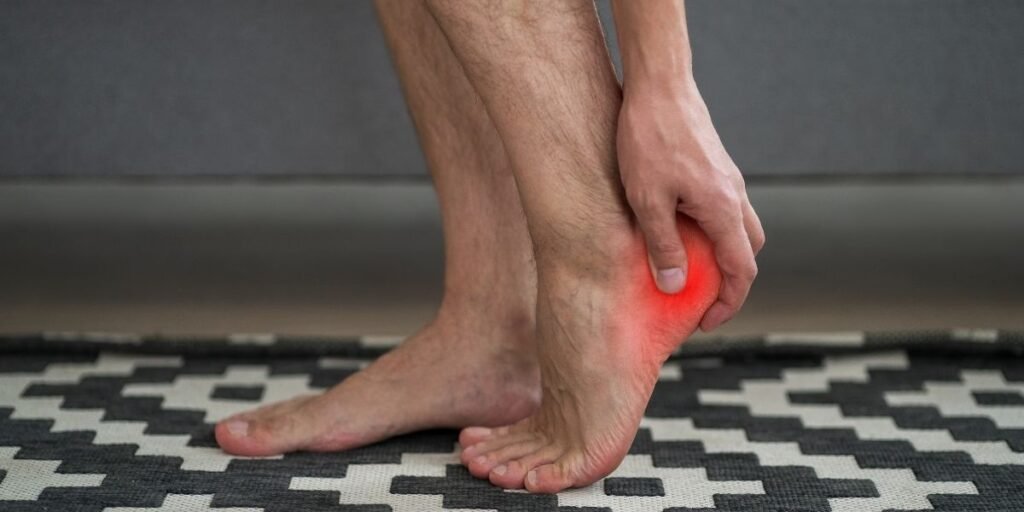
Heel pain is a common foot problem that can affect your ability to walk, exercise, or even perform daily tasks comfortably. One of the leading causes is plantar fasciitis, but other conditions like heel spurs, tendonitis, or overuse injuries can also contribute. Understanding heel pain and seeking timely physiotherapy treatment can prevent it from becoming a chronic issue.
Common Causes of Heel Pain
Heel pain often results from prolonged standing, wearing unsupportive footwear, sports injuries, or excessive strain on the foot muscles. Conditions like flat feet, obesity, or sudden increases in physical activity can also trigger discomfort.
Role of Physiotherapy
Physiotherapy addresses heel pain by targeting the root cause rather than just symptoms. Techniques focus on reducing inflammation, improving flexibility, and strengthening supporting muscles. Individualized exercises help restore normal foot function and prevent future injuries.
Rehabilitation and Recovery
Rehabilitation begins with gentle exercises to restore mobility, gradually progressing to strength training and balance improvement. Patients are taught proper walking techniques and posture adjustments to reduce strain on the heel. Throughout recovery, lifestyle modifications, such as selecting supportive footwear and avoiding high-impact activities, are emphasized. Regular physiotherapy sessions ensure steady improvement, minimize pain, and accelerate the healing process.
Treatment Approaches
- Stretching the plantar fascia and calf muscles
- Strengthening exercises for the foot and ankle
- Manual therapy and massage for soft tissues
- Guidance on proper footwear and posture
- Advice on activity modification and gradual load management
Conclusion
With professional physiotherapy, heel pain can be managed effectively. Early intervention restores mobility, reduces discomfort, and ensures long-term foot health, allowing patients to stay active and pain-free.